The U.S. Department of Agriculture went looking for fraud in state food stamp programs. In the 29 states that cooperated, investigators found 186,000 dead people still enrolled and half a million individuals collecting benefits in two states at once.
Twenty-one states refused to open their books at all.
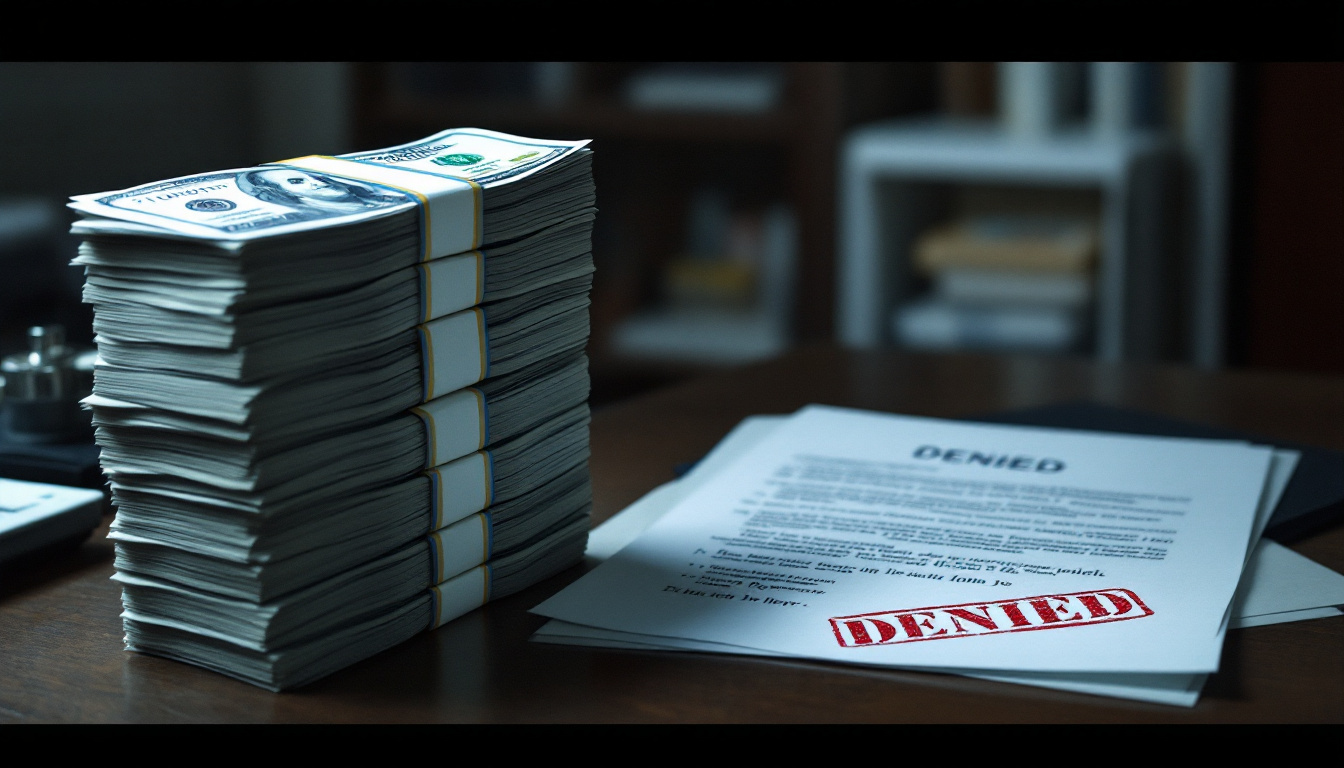
A new report from the Foundation for Government Accountability puts the total damage at $521 billion stolen from federal programs every single year. That's 7% of everything Washington spends. Liesel Crocker, a Senior Research Fellow at FGA, framed it in terms that should end every budget argument in Congress: "Only five federal agencies have bigger budgets than that. And that's just the fraud we know about."
The number isn't a projection or an estimate cooked up by a think tank with an agenda. It draws on federal data, including figures from the Office of Management and Budget, showing that improper payments by the federal government have totaled roughly $3 trillion since 2003.
The fraud concentrates where you'd expect it. Medicaid. Medicare. Food stamps. The Earned Income Tax Credit. Crocker identified the pattern: "They have a lot in common. Each one frequently fails to double-check applicant information, hands the paperwork to state and county offices, and pushes huge volumes of money out fast." Food stamp trafficking alone costs taxpayers an estimated $4.7 billion a year.
"Fraud shows up where the checks are easiest to get," Crocker said.
Of more than 2,200 federal payment programs, only 64 are reviewed for improper payments each year. That means roughly 97% of the pipelines moving taxpayer money go completely unaudited. Over 8,000 fraud cases have been prosecuted, but that number looks less impressive when you realize the annual haul for the thieves is north of half a trillion dollars.
The states blocking the audits are the story within the story. California, Illinois, Colorado, Maine, New York, and Minnesota were flagged as particular areas of concern. These are not states that lack the bureaucratic infrastructure to cooperate. They have the resources. They chose not to. The 21 states that refused federal vetting of their food stamp rolls made a decision — and the decision was that they'd rather not know how many dead people and double-dippers are on the books.
The House Oversight Committee, chaired by James Comer, has pushed 11 bills through the House aimed at closing these gaps, including the Stopping Fraudulent Payments Act and the Fraud Prevention and Accountability Act. A GAO report from July 2026 affirmed that the committee's legislation would provide critical tools to combat waste in federally funded, state-administered programs. The bills would expand access to Treasury's Do Not Pay system and require cross-checking applicant data before payments go out.
Crocker's conclusion landed without any rhetorical flourish: "Every dollar that goes to someone abusing the system is a dollar taken from the truly needy."
The FGA report called on Congress and states to "build on President Trump's efforts to crack down on fraud and corruption and save taxpayers billions." This is the fight DOGE was built for — the reason the spending reform push exists in the first place. Not theoretical waste. Not projected savings. Documented theft at industrial scale, protected by states that won't even let auditors through the door.