
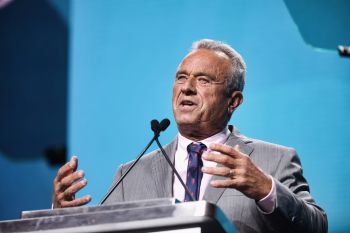
The COVID public health emergency officially expired on May 11, 2023. That was three years ago. On June 30, 2026, HHS Secretary Kennedy signed termination orders for Emergency Use Authorization declarations that had quietly remained active the entire time.
Three years. The "emergency" outlived the emergency by three years.
The distinction matters and it's worth understanding why nobody in the previous administration bothered to explain it. When the public health emergency ended in 2023, the EUA declarations issued under Section 564 of the Food, Drug, and Cosmetic Act did not automatically expire with it. The emergency declaration fell under Section 319 of the Public Health Service Act — a separate legal authority. The EUA declarations, first issued in 2020, kept running on their own track. No sunset clause. No automatic termination.
So while the Biden administration told the public the emergency was over, the regulatory infrastructure that gave the FDA extraordinary powers to authorize drugs, vaccines, and medical devices without traditional approval pathways stayed right where it was. The toolbox was still open. The tools were still available.
Kennedy's termination orders include built-in transition periods — 12 months for drugs and biological products, 180 days for medical devices — giving manufacturers time to move products through traditional FDA approval pathways. The products don't disappear overnight. They just have to go through the same process everything else does.
"Americans deserve a regulatory system that is transparent, accountable, and rooted in the rule of law," MAHA Action stated on June 30.
That's a polite way of saying the system was running on emergency duct tape for six years and nobody in charge saw a problem with it.
The response from critics was predictable — any change to EUA frameworks gets framed as "anti-vaccine" or "anti-science." But the termination doesn't pull authorized products off shelves. It requires them to meet the same regulatory standards that existed before 2020. The FDA's traditional approval process didn't stop working. It was just easier to skip.
As 100 Percent Fed Up reported, the reaction online captured what many Americans were thinking. "Ok, but how has it been allowed to go on for this long in the first place?" one commenter wrote. It's a fair question. The public health emergency expired in May 2023. The Biden administration had nearly two years after that to wind down the EUA declarations. They chose not to.
That's the part worth sitting with. Not that Kennedy ended it — that's straightforward housekeeping. The question is why an emergency authority from 2020 was still humming along in 2026, and why it took a new administration to notice it was plugged in.
Emergency powers are supposed to be temporary. The word "emergency" is right there in the name. When they survive three years past the emergency that created them, they're not emergency powers anymore. They're just powers.