
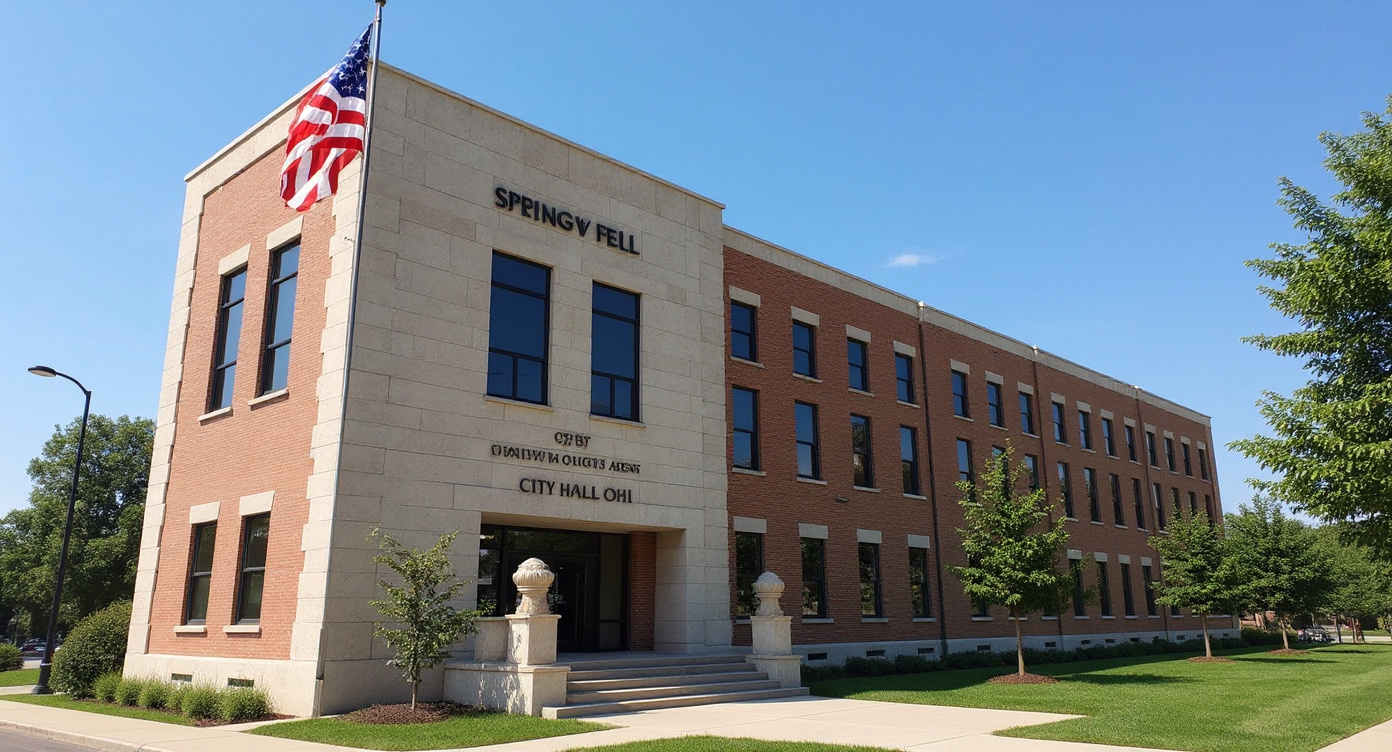
A Facebook group called Stop the Influx — 4,700 members strong, all from Springfield, Ohio — lit up within minutes of the Supreme Court ruling on June 25. One member posted: "Yes!! Supreme Court allowing deportation of Haitians to continue!!!" Another asked: "When is the farewell party? this is an occasion for celebration."
Two years ago, those same people were called racist for saying the same things out loud.
The Supreme Court approved President Trump's decision to end Temporary Protected Status for Haitian migrants, stripping work permits, government aid, driver's licenses, and residency protections from a population that had reshaped Springfield almost overnight. More than 10,000 Haitian migrants poured into a mid-sized Ohio city that never asked for them, never voted on it, and spent the better part of two years being told by every respectable institution in America to stop complaining about it.
Springfield became ground zero during the 2024 election. Then-Ohio Senator JD Vance raised the alarm. Residents described a city they no longer recognized. William Monaghan, a local resident, put it plainly in 2024: "A handful of people are getting fabulously wealthy on it, but it is destroying the local community."
He wasn't wrong. And the Supreme Court just agreed.
The reaction from the pro-migration side was predictable. Todd Schulte, president of FWD.us — a pro-migration lobby founded by West Coast billionaire investors — called it a "HEARTBREAKING, terrible decision that defies common sense." Pastor Carl Ruby of Springfield said: "Today's decision is painful." An economist's brief filed with the court claimed TPS migrants generate $20 billion in annual profits from 1.4 million workers nationwide.
Twenty billion dollars. Notice who collects that money. It's not the residents of Springfield dealing with overwhelmed schools and hospitals. It's the employers and investors who discovered that imported labor is cheaper than paying Americans. The profits go up. The costs get dumped on the community. And when the community objects, they get called xenophobes on cable news.
Ohio Governor Mike DeWine, a Republican, largely avoided confrontation with the federal program that funneled migrants into his state. Biden's border chief Alejandro Mayorkas had extended TPS protections repeatedly, ensuring the pipeline stayed open. The arrangement worked beautifully — for everyone except the people who actually lived there.
Jay Palmer, co-founder of Project Eradicate, framed the ruling differently: "This is a win for Americans."
What makes this story worth remembering isn't just the ruling. It's the timeline. Springfield residents organized. They were mocked. They were called conspiracy theorists. Media outlets ran sympathetic profiles of Haitian migrants while ignoring the locals who said their town was buckling. The 2024 election came and went. And now, in June 2026, the highest court in the country validated what 4,700 people in a Facebook group had been saying all along.
Breitbart reported on the immediate community reaction, capturing the tone of a city that spent two years being gaslit by its own government and just received confirmation that it wasn't crazy.
The "common sense" that Todd Schulte says was defied is the same common sense that told Springfield to absorb 10,000 people it couldn't support, take the economic disruption, and be grateful for the privilege. The Supreme Court looked at that version of common sense and passed.