
The Biden administration granted Temporary Protected Status to 268,156 Venezuelans in 2021. Then it extended coverage to another 348,202 in 2023. The word "temporary" appeared in every filing. Nobody in the last administration intended for that part to be enforced.
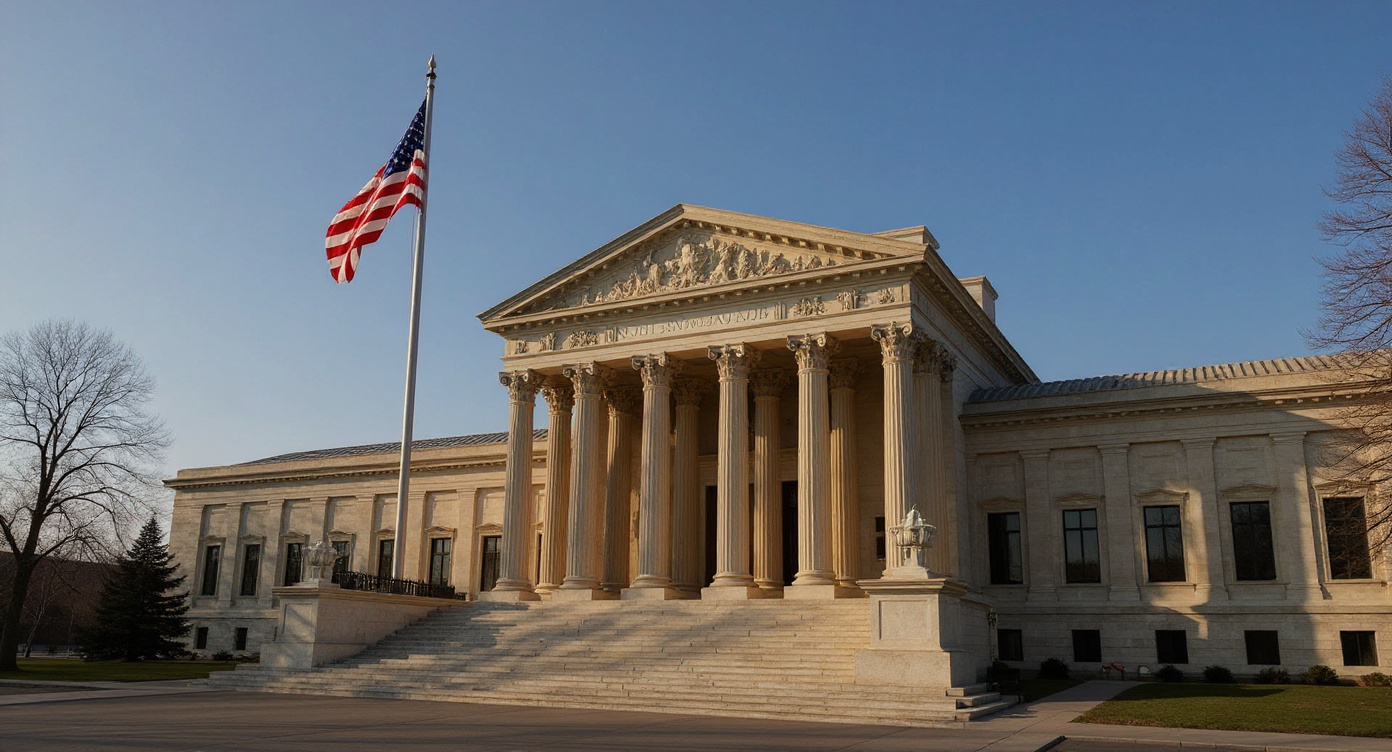
The Supreme Court just enforced it.
On October 5, SCOTUS vacated a Ninth Circuit decision that had blocked the Trump administration from terminating TPS for roughly 300,000 Venezuelan nationals. The order was four words of substance: "Petition GRANTED. Judgment VACATED and case REMANDED." No lengthy dissent. No hand-wringing concurrence. The court looked at the statute, looked at the lower court's reasoning, and sent it back.
The statute in question couldn't be clearer. It reads: "There is no judicial review of any determination of the Secretary of Homeland Security" regarding TPS designations. The Supreme Court noted that "this text is clear, and its plain meaning is very broad." Translation: Congress wrote DHS a blank check on TPS decisions, and no federal judge in San Francisco gets to tear it up because the current administration is using it.
This has been a long legal slog. A federal judge in San Francisco first blocked the termination in September 2025. The Supreme Court reversed that in May 2025, but the Ninth Circuit found new grounds to block it again. SCOTUS reversed again in October 2025. The Ninth Circuit upheld the block a third time in January 2026. A favorable ruling in a related case involving Haitian and Syrian TPS holders came in June 2026. Now the court has vacated the Ninth Circuit yet again.
The Ninth Circuit's strategy was never to win on the merits. It was to delay long enough that enforcement became impractical. Every injunction bought months. Every remand reset the clock. The assumption was that if you could keep 300,000 people in legal limbo long enough, political gravity would make deportation impossible. The Supreme Court just cut the string.
More than 500,000 Venezuelans currently hold TPS in the United States. The Biden administration expanded the program twice in two years, converting what Congress designed as emergency relief into a de facto residency program. "Temporary" became five-plus years. Emergency status outlasted the emergency. The Trump administration's position — that the Secretary of Homeland Security has the statutory authority to end a designation when conditions warrant — is what the law actually says.
The November 2025 termination of the 2021 TPS designation is now back on track. DHS can proceed with deportation proceedings for those whose status has expired. The legal architecture that activist judges spent a year constructing has been dismantled by the court that actually has the final word.
The ruling clears the path for the largest single TPS termination in the program's history.